Seconds (1966)
QFS No. 211 - The invitation for September 2, 2026
John Frankenheimer helmed some of the landmark films of the 1960s and ’70s and continued working into the 2000s. Not all of his films were bangers – certainly the 80s are littered with Frankenheimer misses (1989’s white-hot Don Johnson vehicle Dead Bang, anyone?) – but his hits are still landmark films. The Manchurian Candidate (1962) coined a phrase we still use for a politician controlled by a foreign entity and features (arguably) Frank Sinatra’s best performance as a leading man. Bird Man of Alcatraz (1962), released the same year, is one of the great prison movies of all time.
Take, for a moment, to think about that year. At the 35th Academy Awards, Frankenheimer directed four actors nominated for awards in two films, six total nominations with two movies in the same release year. Pretty fantastic singular year for a filmmaker. Not quite on the echelon of Steven Spielberg's 1993 of Schindler's List and Jurassic Park or Francis Ford Coppola's 1974 of The Conversation and The Godfather Part II, but still up there. Frankenheimer can claim his place in a long line of great directors who started in television, working alongside the legend Sidney Lumet and, like Lumet, was influenced by the storytelling and production rigors required for the small screen. Apparently, Frankenheimer’s main love was live television which is pretty fascinating given the extent of movies he ended up directing, which are apples to oranges, production wise.
This week’s selection Seconds is a film I know very little about but have heard good things from reputable sources. I do know it stars Rock Hudson, who I believe is the first person I had ever heard about who succumbed to the AIDS virus when he died in 1985. Also, this film received the Criterion Collection imprimatur, which goes a long way in my book. Join the discussion below!
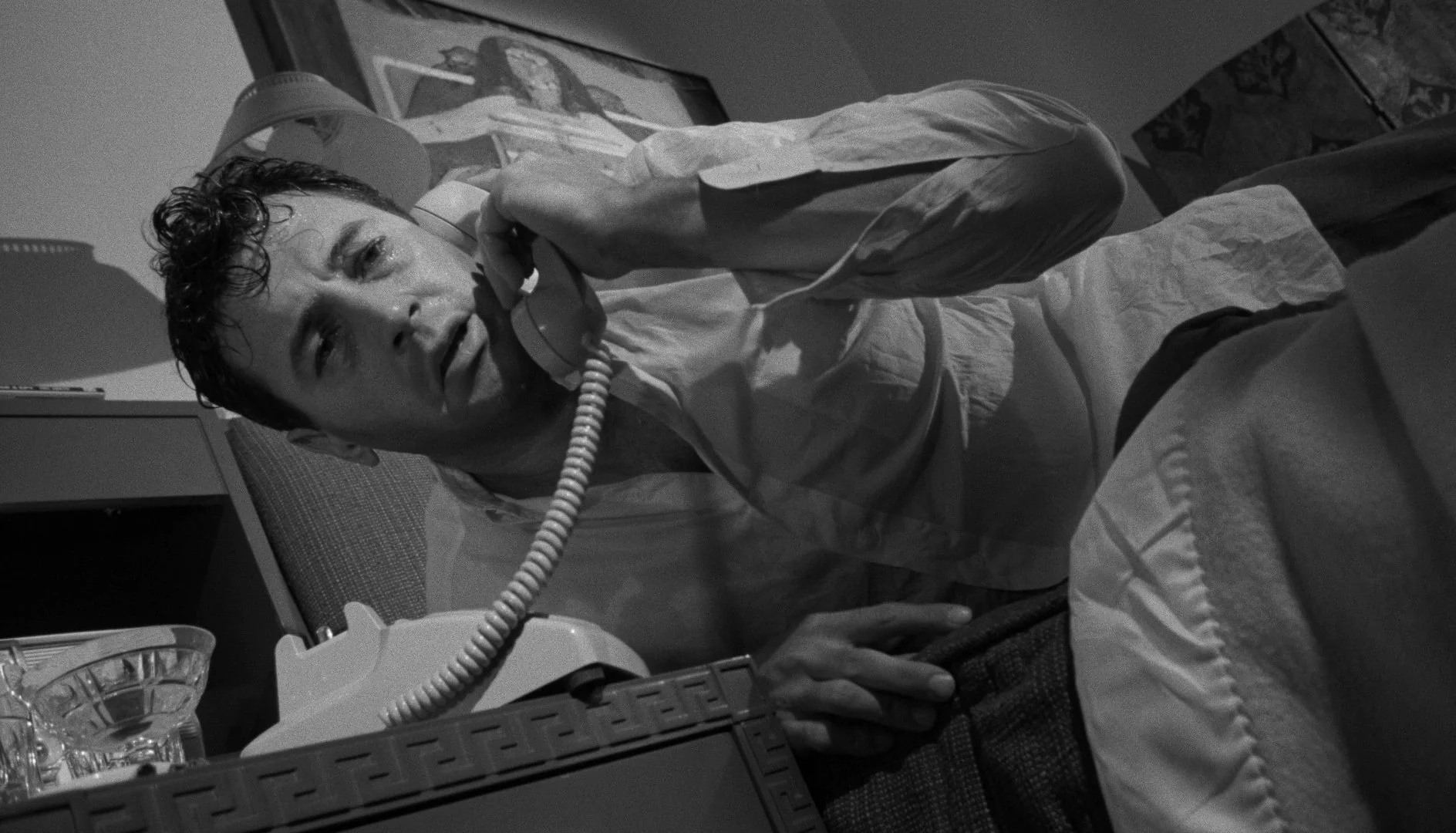
Seconds (1966) Directed by John Frankenheimer
Reactions and Analyses:
In short, you are alone in the world, absolved of all responsibility except to your own interest. Isn’t that marvelous! Davalo (Kheigh Dhiegh), part of the team that has transformed – or, “rebirthed” – Arthur Hamilton into Antiochus “Tony” Wilson (Rock Hudson) exclaims this as he helps prepare Tony to accept his new identity as a completely new person.
This line from Seconds (1966, directed by John Frankenheimer) stood out to me and several of us in our discussion group. Arthur was a man in middle age, a bank manager working his way up to being a bank president with a wife and a grown daughter married to a doctor about to have a baby. On the surface, this all seems like a perfectly fine existence. But Arthur, apparently sleep-walking through his life and coasting along, has very little depth and appears to be, for a lack of a better word, bored. His own life doesn’t seem to interest him.
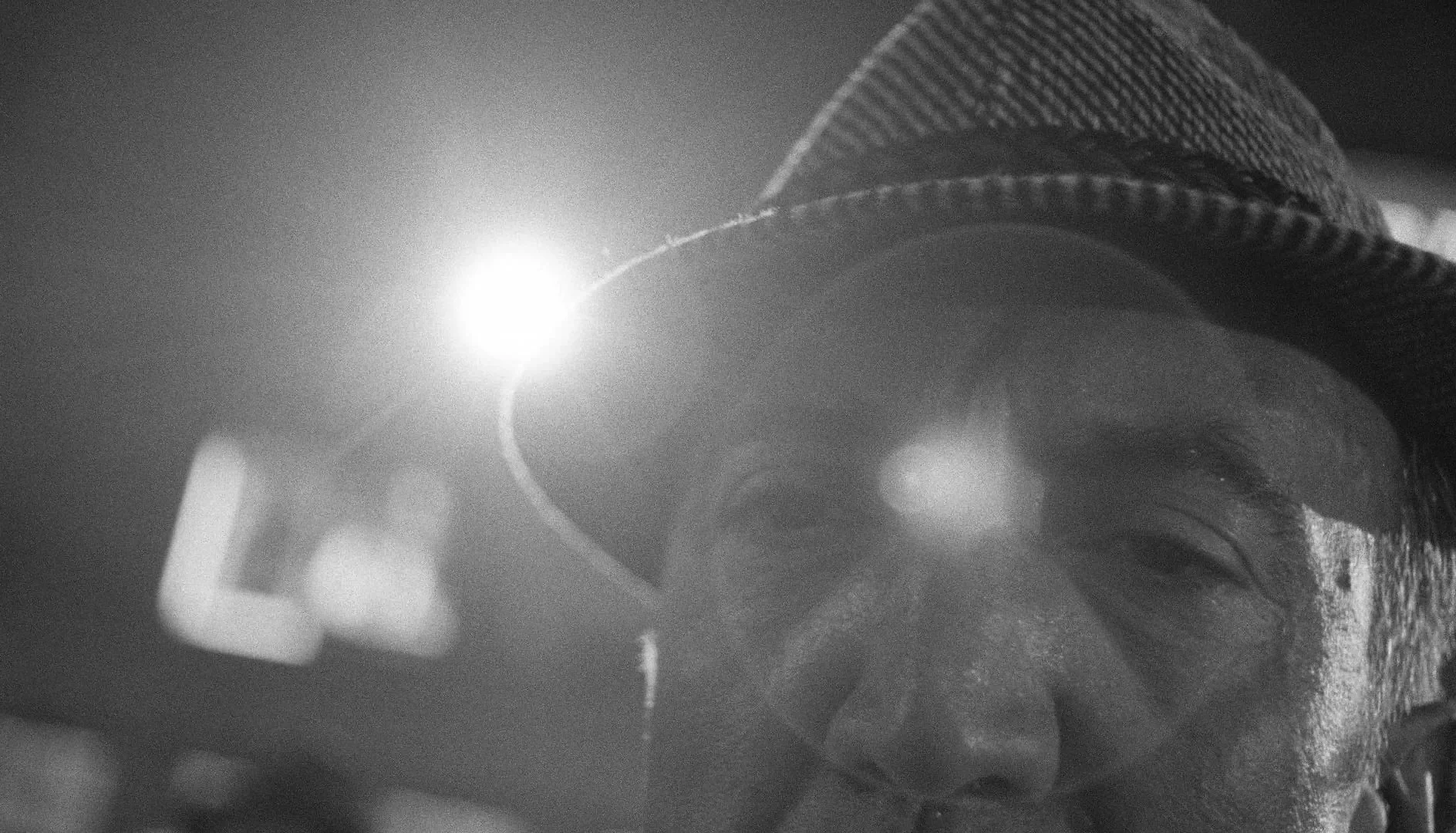
Arthur Hamilton (John Randolph) stressfully walking through a Grand Central Station using an incredible body-mounted camera system with wide lenses, giving it a surreal feeling of being in the main character’s head - showcasing both John Frankenheimer and cinematographer James Wong Howe’s genius.
After being convinced to allow the corporation to fake his death and transfer another recently deceased, younger body onto his own identity and undergoing the operation, Arthur is now Tony. This is the corporation’s specialty - give their clients a new life and a new start. Arthur leaves behind a widow, a daughter, a job, co-workers, and, crucially – responsibility.
As Tony, he has none. He is already a successful artist, helpfully provided with all the necessary proof of his artistry including paintings and brochures and recaps of his previous gallery shows. So there is no striving necessary – Tony, the artist, is already successful. He does not need to struggle, he does not need to care for others, he only needs to be selfish. To worry about his own needs. He is successful and self-sufficient, thanks to the company’s system of rebirth.
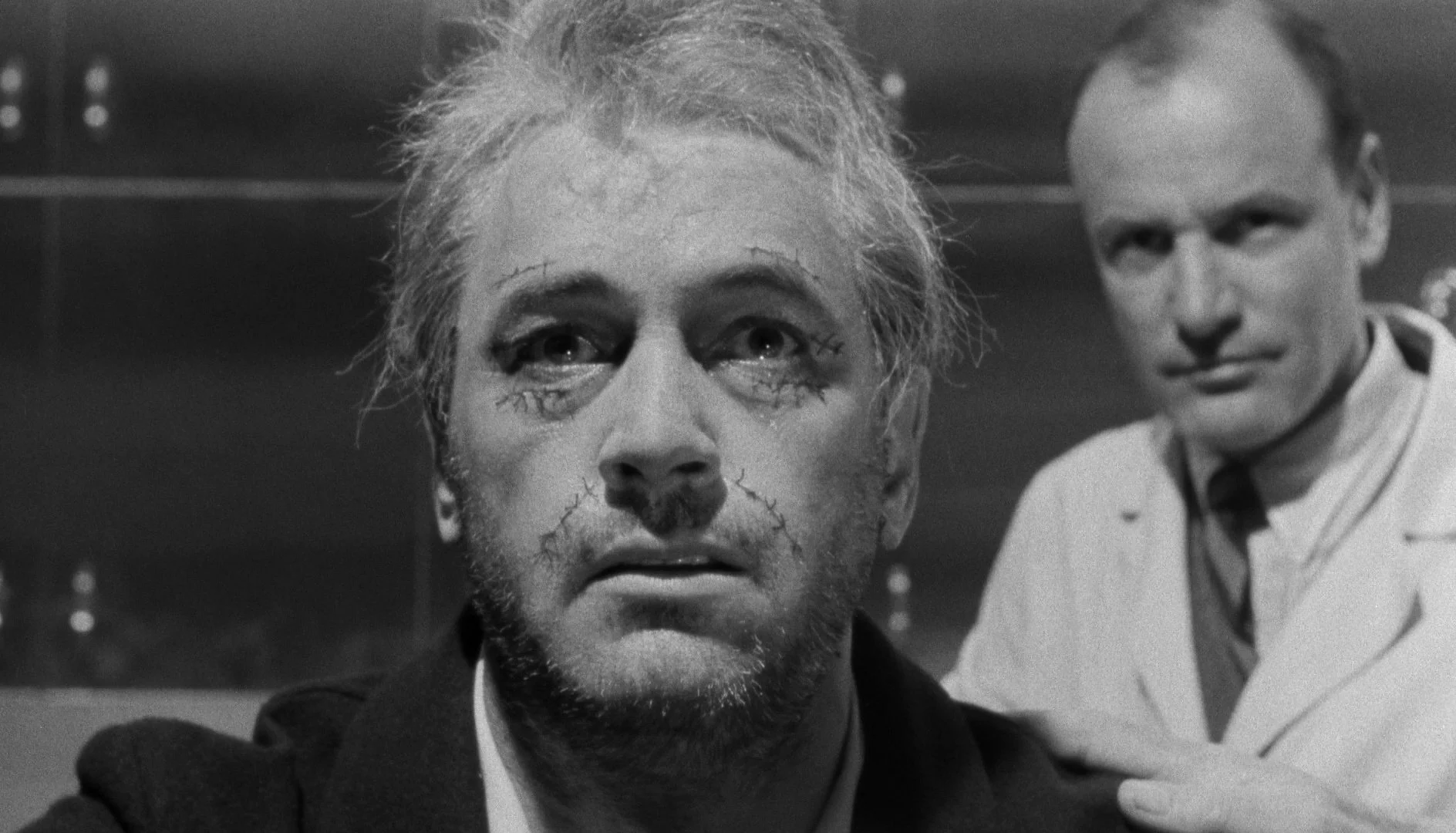
Arthur is now “Tony” (Rock Hudson), a Frankenstein’s monster-esque creation by Frankenheimer most keenly paralleled in this post-surgical sequence.
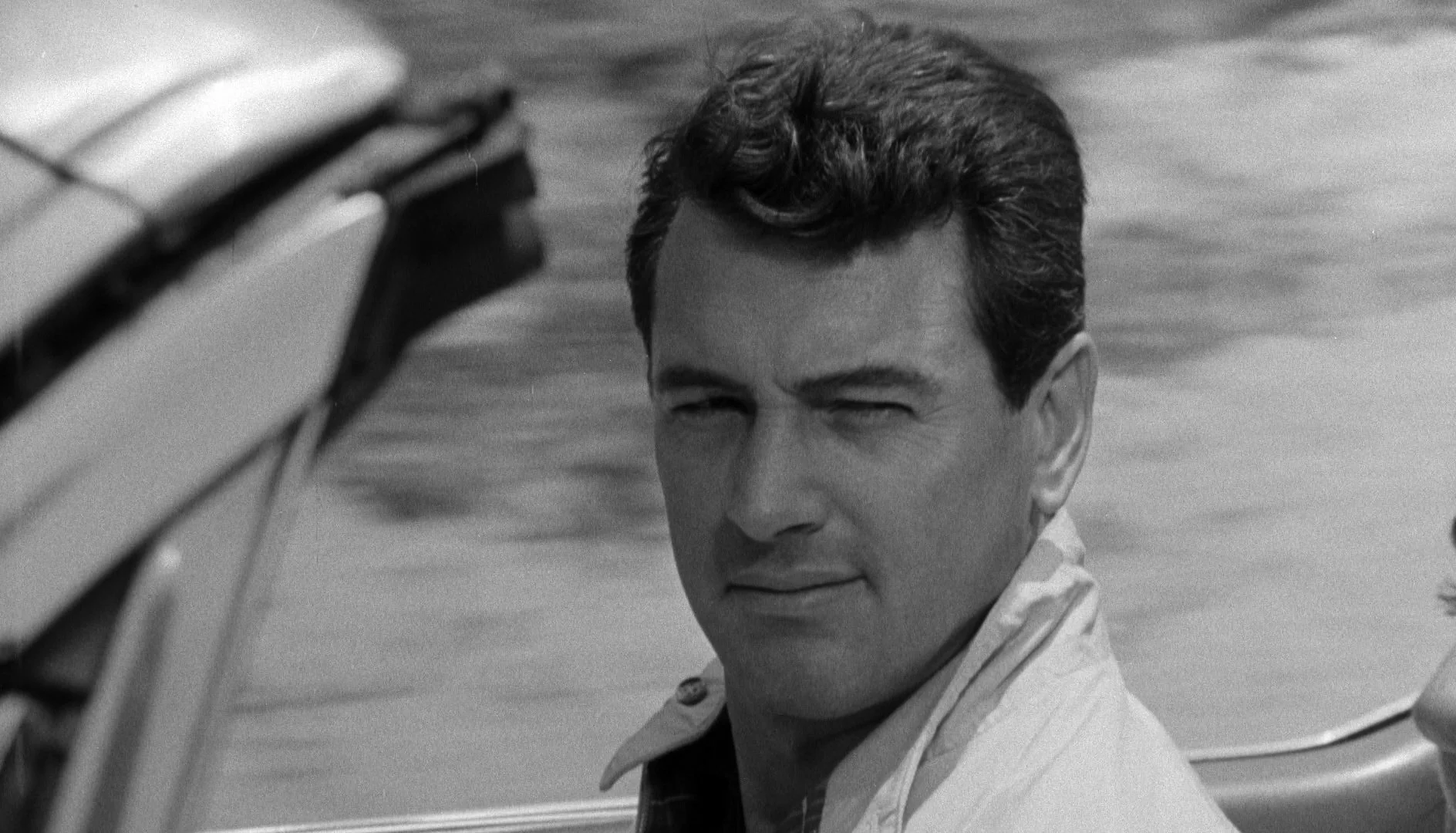
Tony, the painter, now living in Malibu.
What a dream for a middle-aged man – to start over! To have nothing to worry about and to simply indulge oneself. And indulge Tony does – he meets Nora (Salome Jens) during a lonely walk on a Malibu beach and the two begin a relationship, bonding over loneliness and having left a past behind. Nora claims to have walked out on a family - just left and never came back. The free-spirited Nora and the reserved Tony attend a literal bacchanalia, throwing off their clothes and stomping in a massive barrel of grapes. He ignites a passion (at least for drinking) and he attempts to paint but cannot actually do so – but what matter? He already is a painter. The completed artwork and proof of past work makes it so, even it if it isn’t actually so. But what is reality? Tony will soon find out.
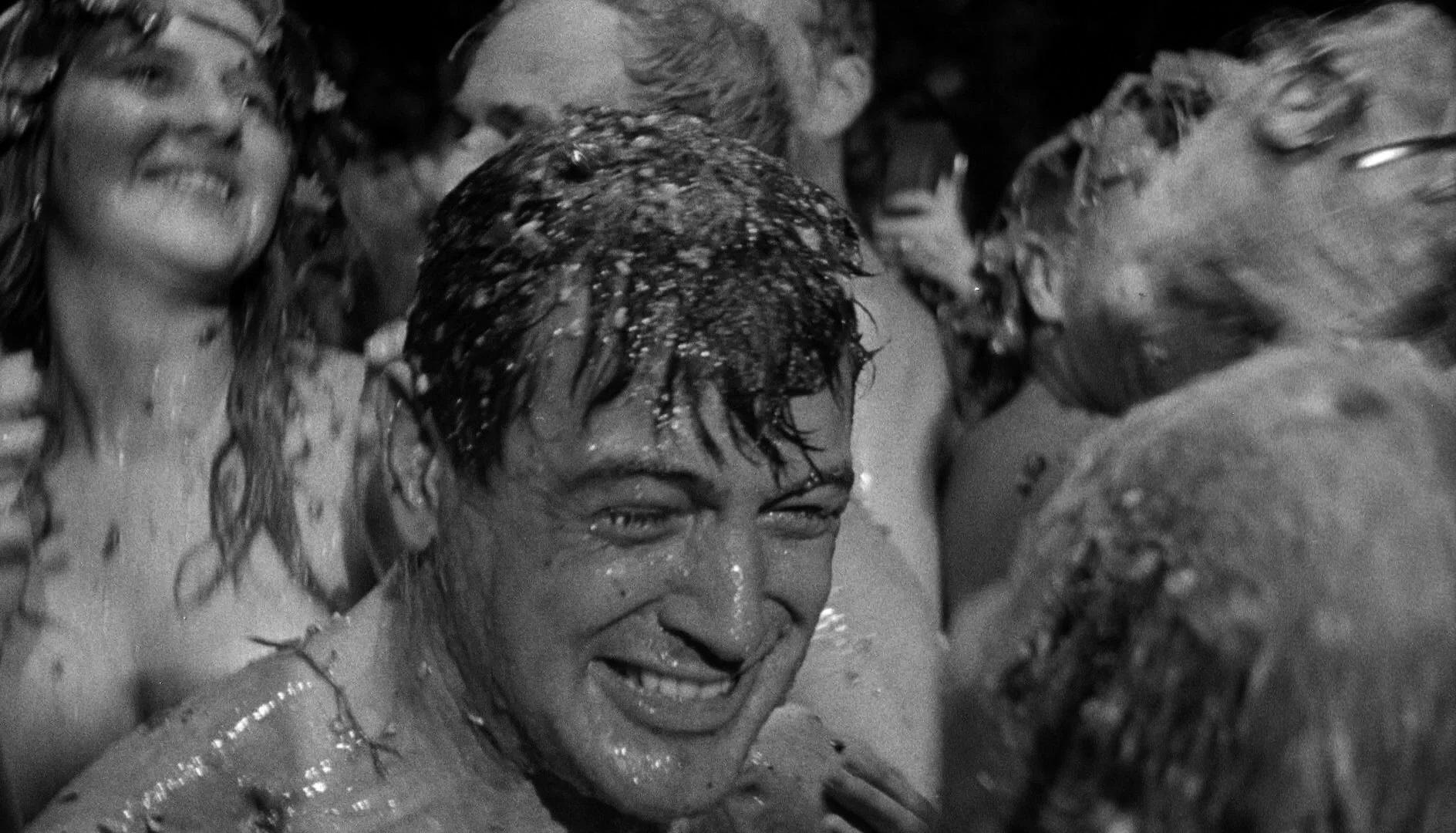
Do it all, now that you’re young! Go to a clothes-free, wine-drenched bacchanalia!
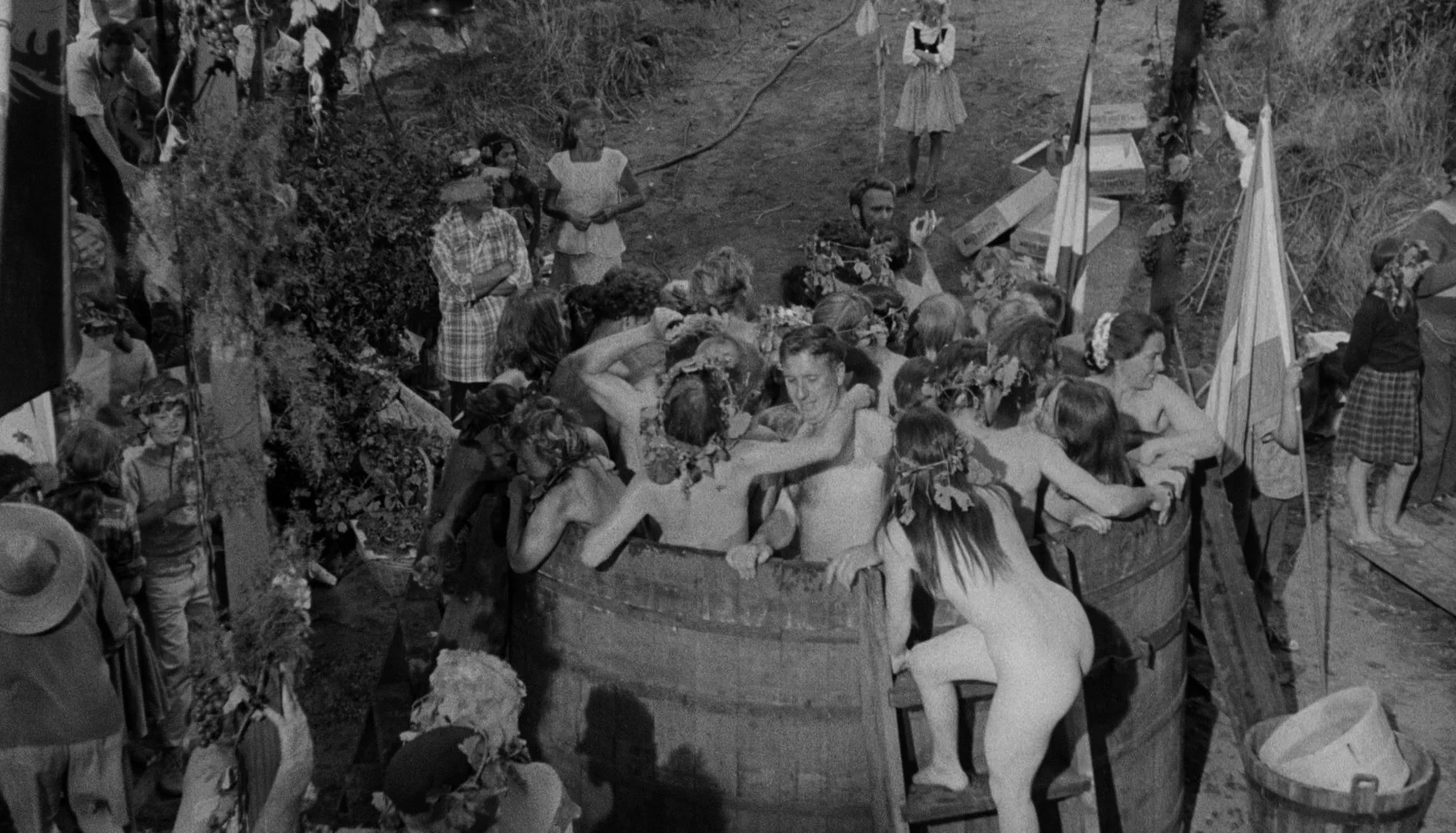
Bacchanalia!
At a cocktail party, Tony drinks himself into an all-time terrific stupor until he can’t help but talk about his real past – or rather, Arthur’s real past – as a Harvard graduate and someone who has a daughter and might, by now, be a grandfather. And here, it’s revealed that all the revelers at his party are actually all with the company or are, themselves, “reborns.” Even Nora, placed there to become his lover, devastating Tony.
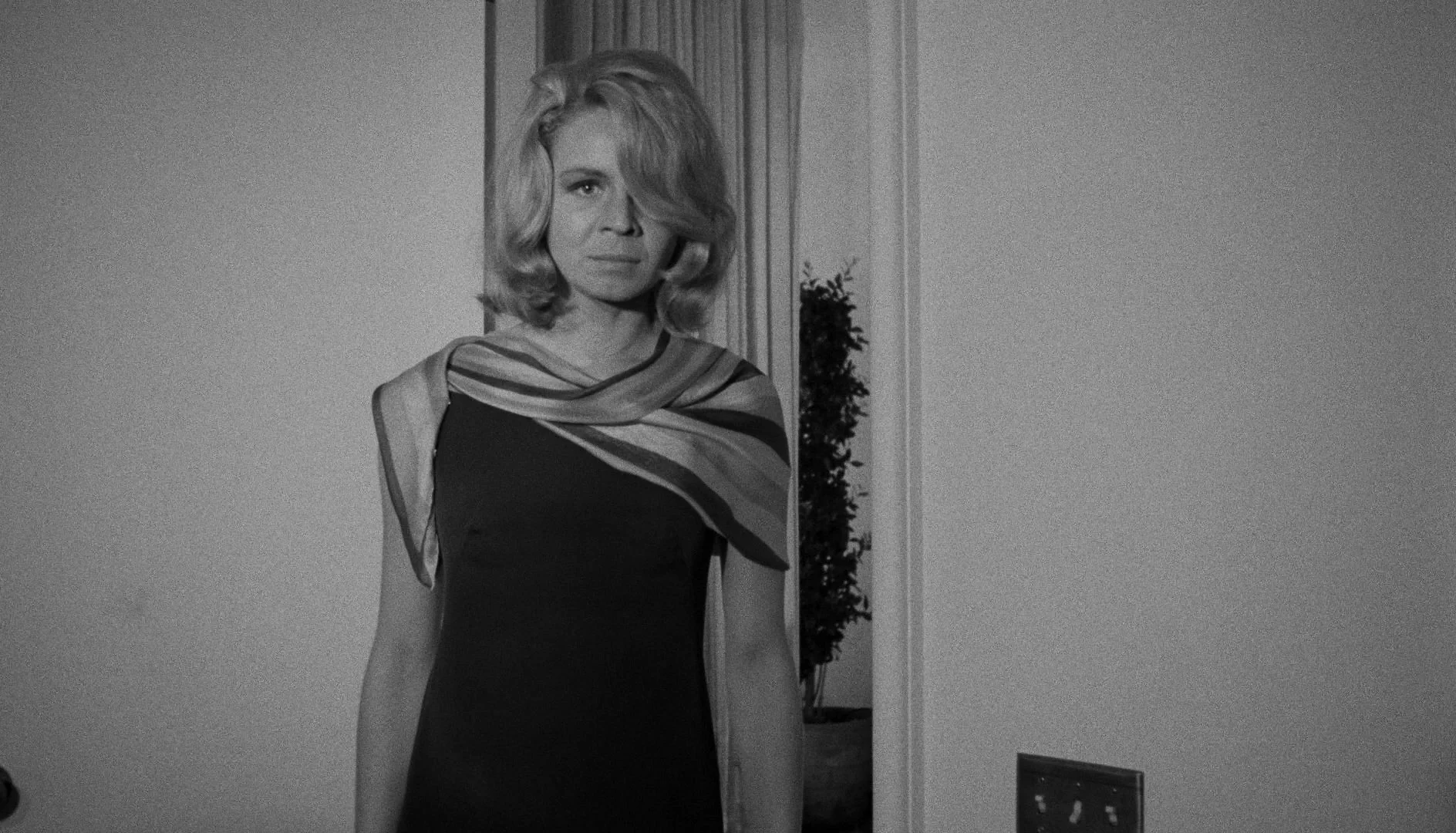
Nora (Salome Jens) is not real - placed there by the corporation
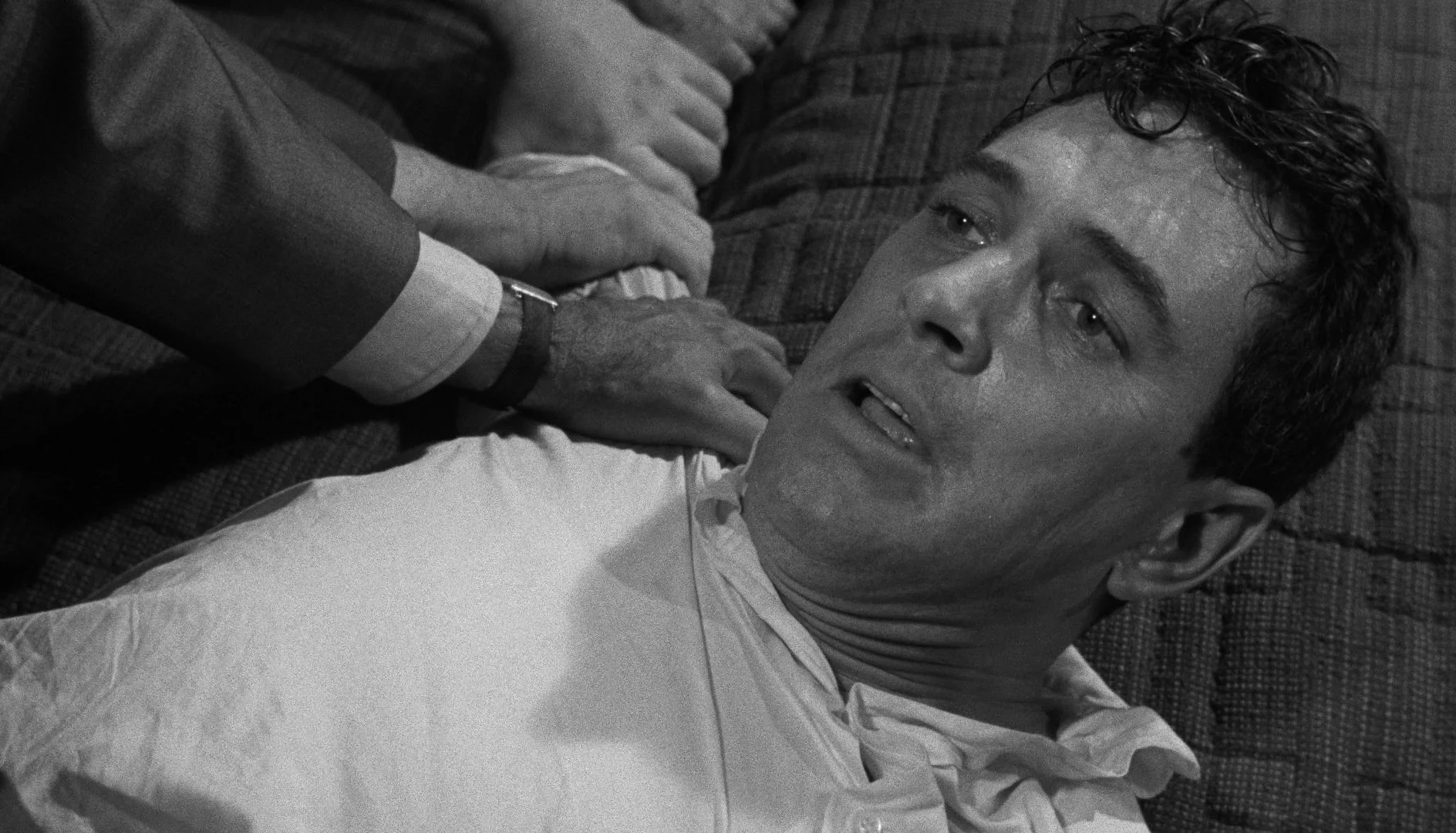
During a drunken cocktail party, Tony discovers the truth.
This sets off a new crisis, not of the mid-life variety. He has been deceived. As Tony, he attempts to reconnect with his widow Emily (Frances Reid) as Tony, but that results in what is probably the saddest scene of the film. His wife reveals that Arthur was already dead inside and that all she really remembers about him is the silence.
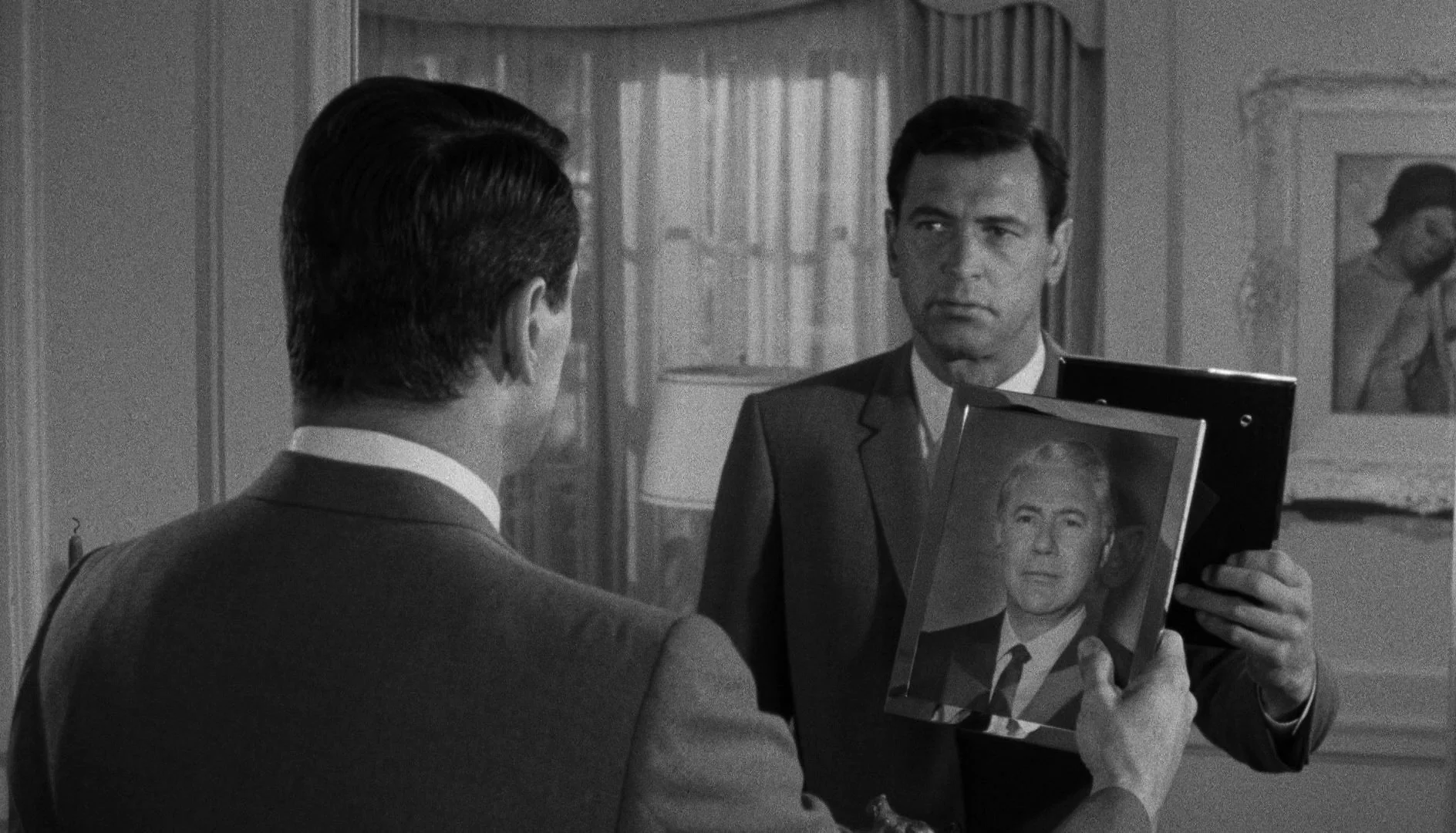
Tony at his old home, where a photograph of his old Arthur-self - “dead” to everyone else - remains the only proof he lived. His old paintings gone, his old office turned into a sitting room.
What a devastating scene for Tony to hear. Seconds is many genres, but a domestic horror film is perhaps foremost. For a middle-aged man to hear that the people around him found him to be pretty useless, dead, and ultimately easily forgotten – discarded, like Arthur’s early amateur water colors – is perhaps the root of a mid-life crisis. That everything you’ve done in your life simply did not matter.
Seconds begins almost as a mid-life fantasy – you’re granted youth and a new start in the middle of your life! – but ends as a tragedy. Not only does Tony/Arthur realize his life was empty, but even his new life is. When Tony goes back to the company to have another new start, they placate him as if they’re going to do so. Instead, they wait out to use his body as a cadaver for someone else. He’s chewed up, a commodity, an ingredient. But no worry – the company will survive and improve and the next person will be better! So says the Old Man (Will Geer) who is the face of the corporation.
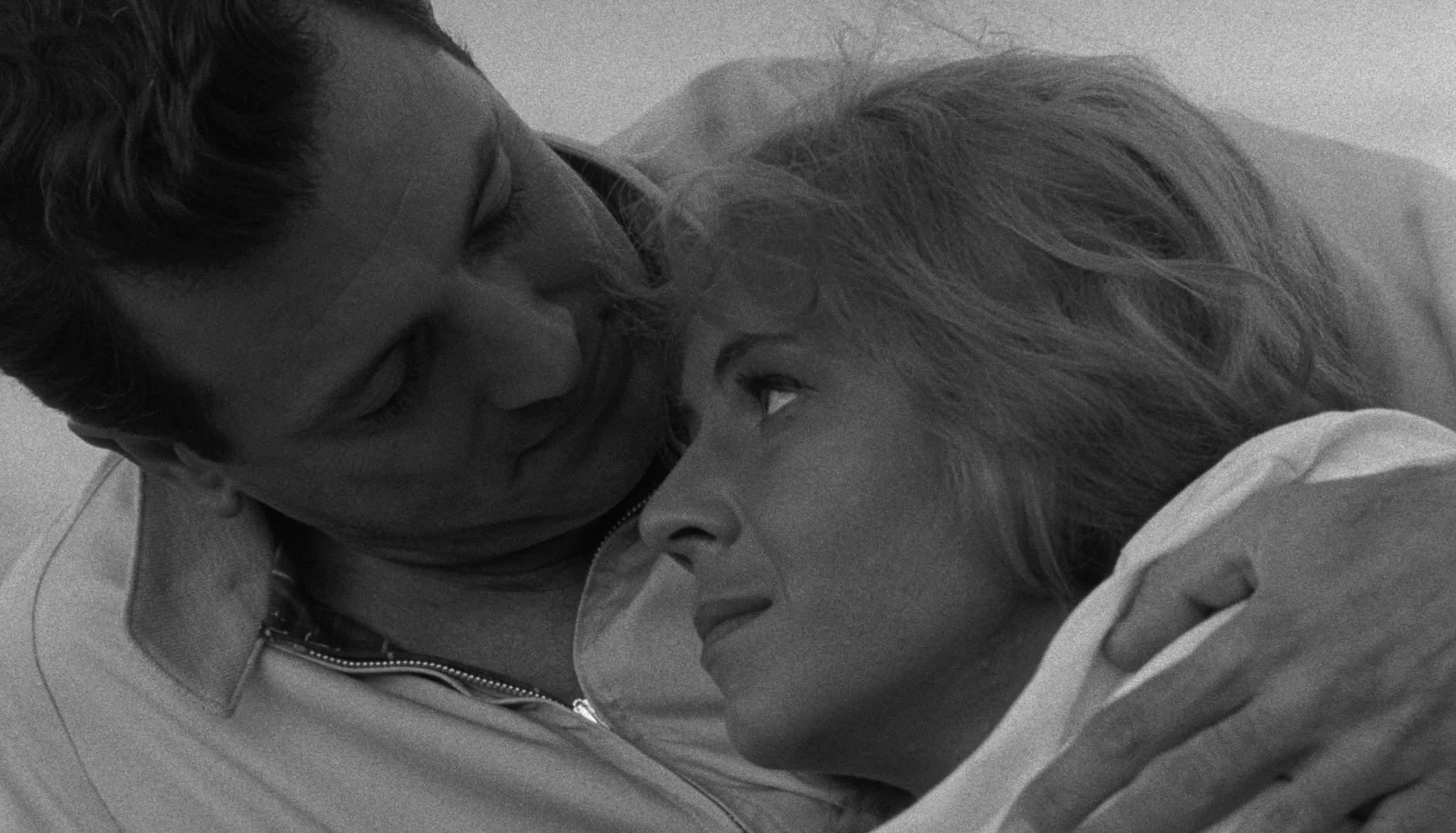
Mid-life fantasy - already successful, find a beautiful carefree woman, get to be young again without responsibility - all turns into a nightmare and tragedy.
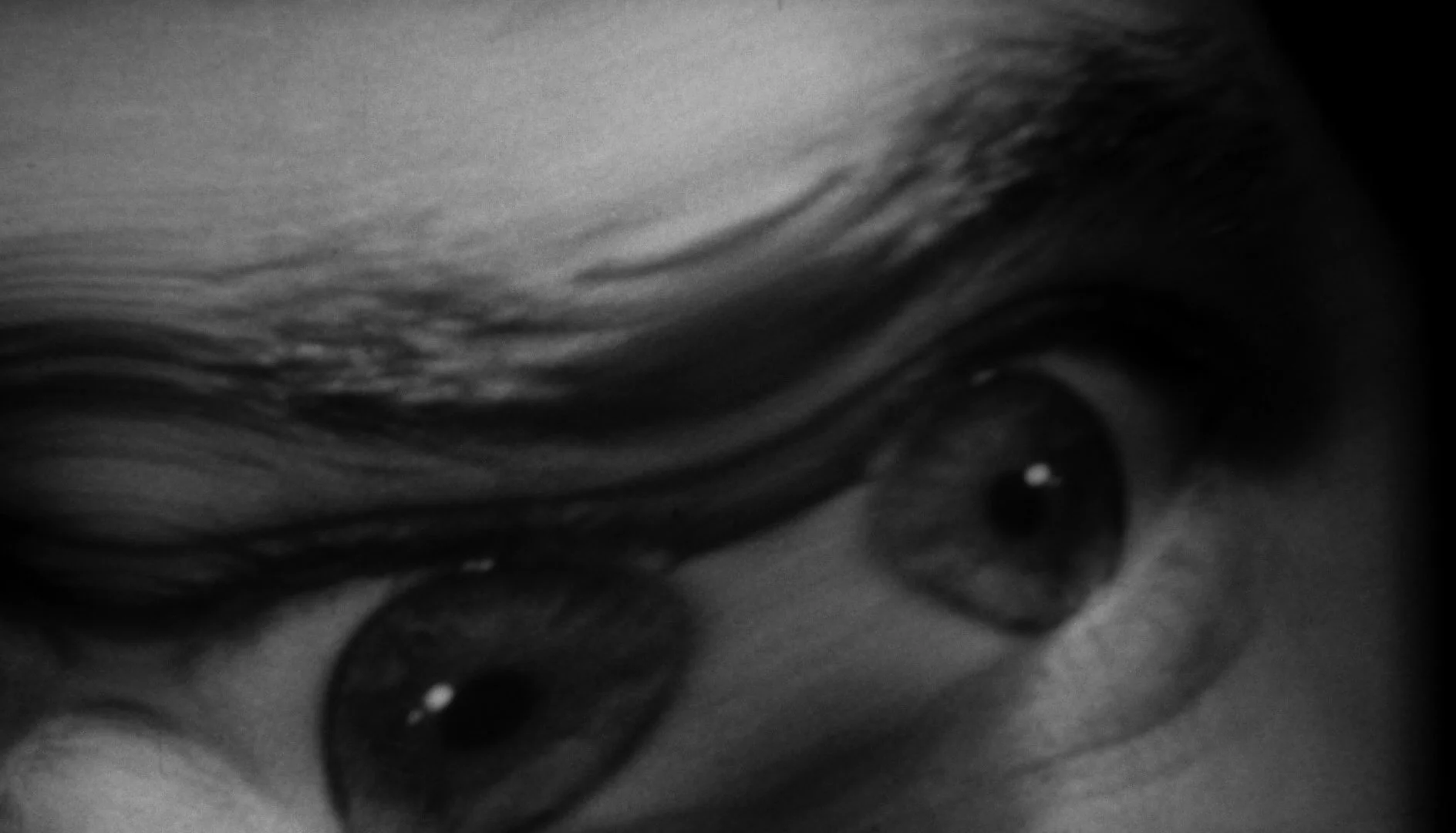
Part of Saul Bass’ nightmarish opening title design.
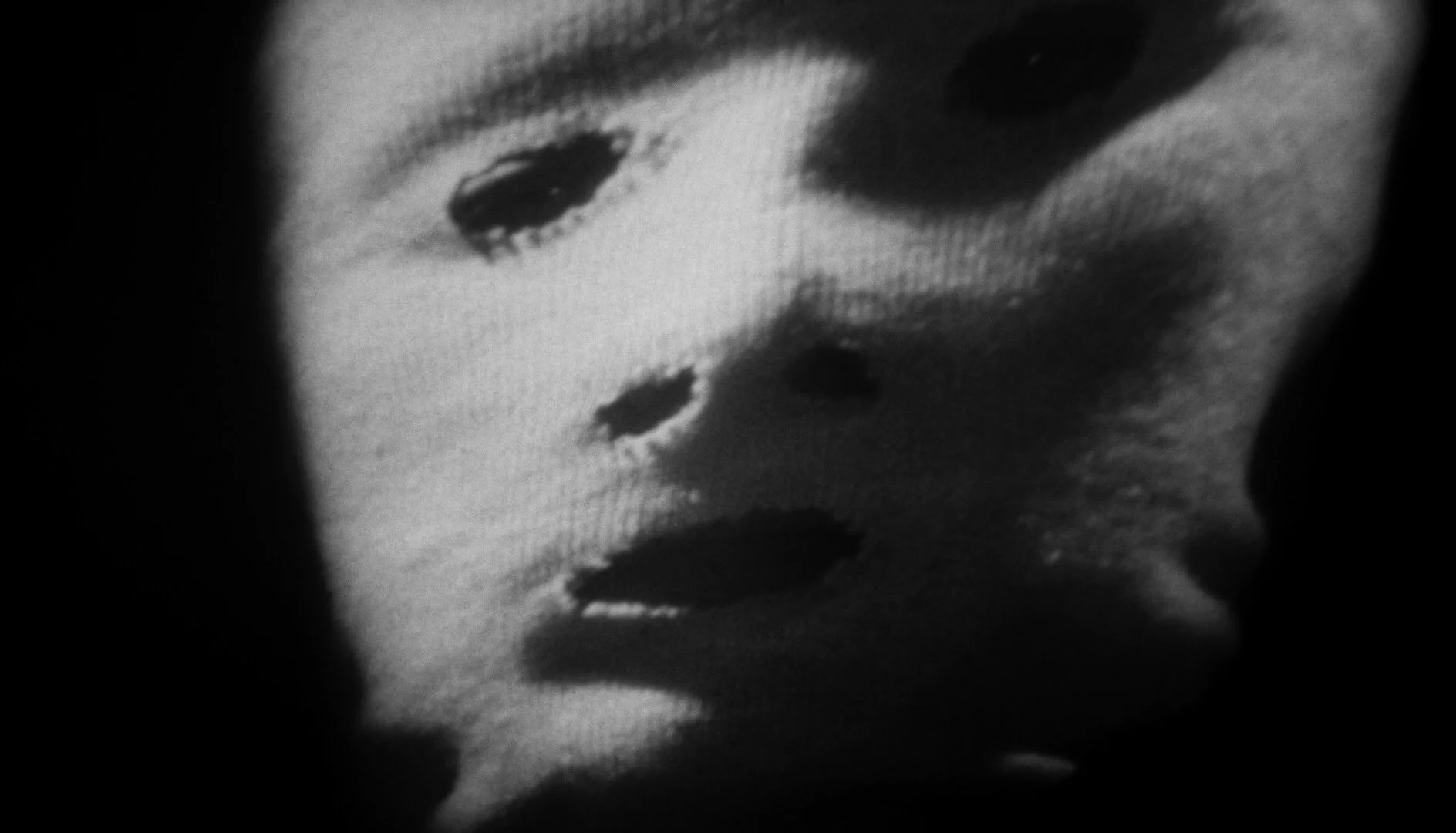
Part of Saul Bass’ nightmare.
The film is imperfect, with many holes in the fabric of the plot and some missed opportunities - a purportedly deleted scene of Tony visiting his daughter and son-in-law and newborn grandson foremost among them - but that doesn’t diminish just how extremely unnerving the film is in ways I had not expected. Frankenheimer and legendary cinematographer James Wong Howe distort the lens with extreme wide angles set close to people’s faces, using body mounts to really cement home a perspective through Arthur at the beginning in particular. The opening – including the unsettling twisting distortion of the human body in Saul Bass’ opening credits – sets the tone for a film that keeps the viewer uncomfortable throughout the picture. Close wide-angle framing throughout distorts the frame when needed and handheld realism punctuates scenes and moments. Frankenheimer once said his preferred style is “semidocumentary realism” and Seconds definitely feels like a showpiece for that approach. It’s not quite a documentary, but it has elements of feeling like you’re in the room with the man, experiencing what he does. Throw in some troubling real-life rhinoplasty and plastic surgery used to depict the “transformation” process, and Jerry Goldsmith’s organ-heavy score, and Seconds displays the hallmarks of a horror film, rooted in realism. And deeply, deeply disturbing to its core.
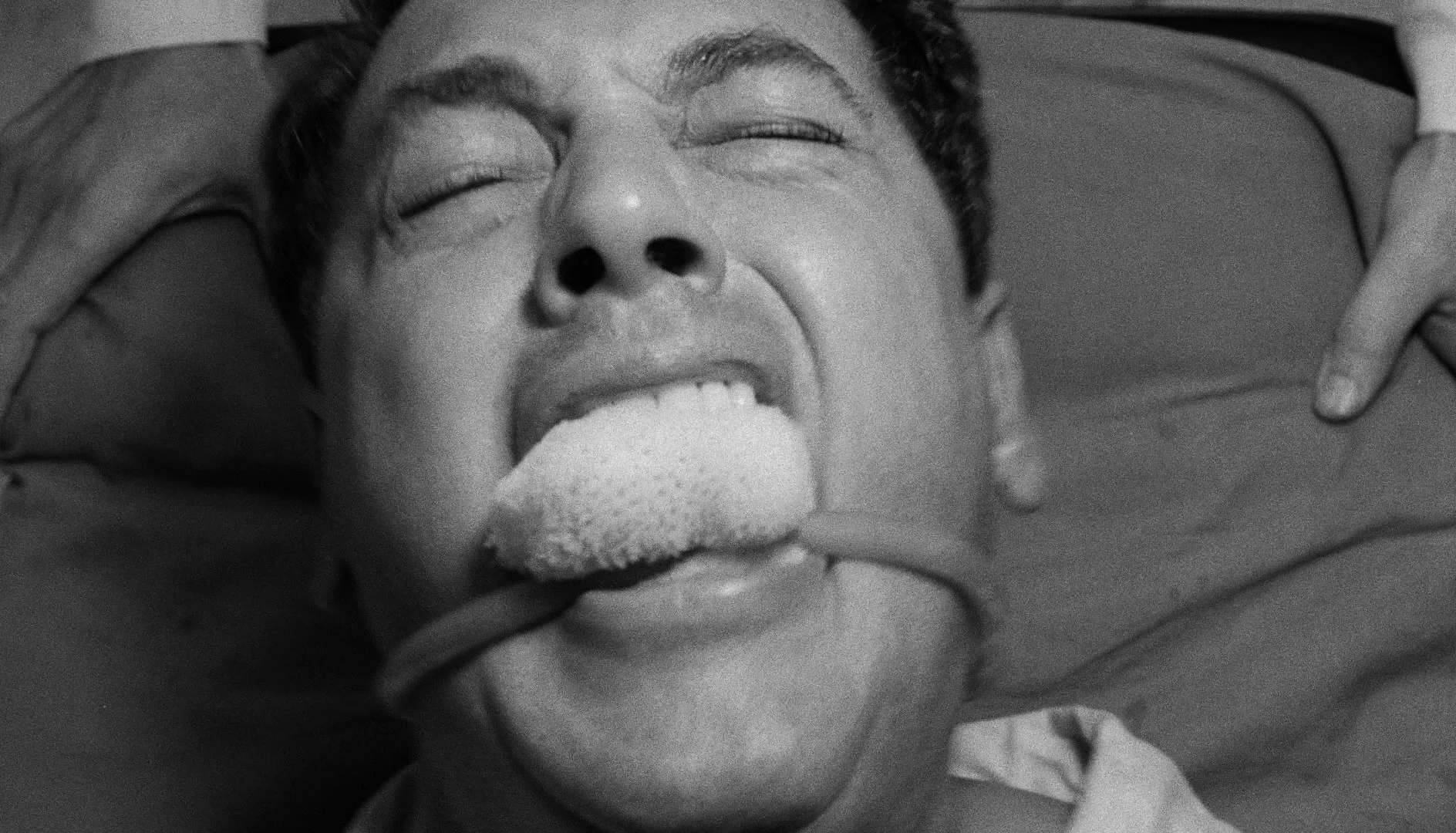
Tony/Arthur is just another expendable part of the machine.